Purchase Vs Lease: Comprehending the Advantages And Disadvantages of Living in an Apartment
The decision to acquire or rent out an apartment includes careful factor to consider of various aspects. Each alternative presents distinct benefits and downsides that can significantly influence one's financial scenario and lifestyle. Purchasers frequently face large upfront prices and continuous maintenance obligations, while tenants appreciate flexibility and reduced initial financial investments. As people consider these aspects, understanding the subtleties of each selection ends up being essential. What aspects inevitably influence the decision between these two paths?
The Financial Aspects of Getting an Apartment
When considering the acquisition of an apartment, prospective purchasers must thoroughly examine the financial effects entailed. The first expenses can be considerable, including the down payment, shutting costs, and numerous costs associated to inspections and assessments. Purchasers must additionally factor in ongoing costs such as real estate tax, property owners' organization (HOA) costs, insurance coverage, and maintenance costs.Financing alternatives play an essential duty in the total cost of the apartment. apartments edwardsville il. Rates of interest, lending terms, and credit history can significantly influence monthly mortgage payments. Additionally, possible buyers need to take into consideration the long-lasting investment worth of the residential property, as genuine estate can appreciate gradually, offering economic advantages in the future.Ultimately, complete study and economic planning are essential for making a notified decision concerning acquiring an apartment. Purchasers need to evaluate the potential returns against their economic stability and personal conditions to ensure an audio financial investment

The Financial Implications of Renting
The monetary implications of leasing include regular monthly rental prices, which can change based on location and market conditions. Occupants also bear less duty for upkeep expenses, as these usually fall on the proprietor. The absence of long-lasting economic commitment can affect one's ability to develop equity over time.
Regular Monthly Rent Expenses
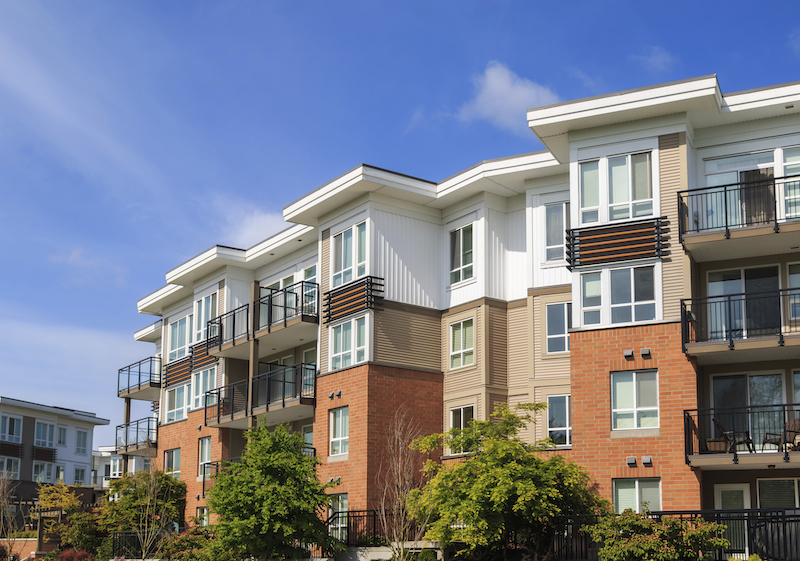
Numerous individuals are drawn to the adaptability that leasing offers, the economic ramifications of month-to-month rent prices can substantially influence their budgets. Rent commonly stands for a substantial portion of an occupant's regular monthly expenses, frequently varying from 25% to 50% of their income. This irregularity relies on aspects such as place, home size, and facilities. Additionally, lease repayments are called for continually, making it necessary for renters to keep a steady earnings to stay clear of financial stress. Unlike mortgage settlements, which develop equity with time, rent payments do not add to property build-up. Because of this, prospective tenants should carefully evaluate their financial scenarios and consider exactly how regular monthly lease costs will certainly match their total spending plan before devoting to a rental agreement.
Maintenance Costs Duty
While occupants take pleasure in the advantage of not needing to stress about several maintenance tasks, they might still face considerable economic ramifications pertaining to duty for upkeep. Normally, property managers are in charge of significant repairs and maintenance, which eases some expenses for occupants. Lessees might be responsible for small repair services, such as changing light bulbs or fixing a dripping faucet. In addition, unexpected expenditures can emerge from issues like pipes or electrical failures, which may cause boosted financial problem if not covered by the lease contract. Occupants must likewise think about the potential for rent raises to cover maintenance costs. While maintenance obligations are greatly changed to property managers, tenants must continue to be mindful of their obligations and possible expenses that can emerge during their lease term.

Lasting Economic Commitment
Financial stability typically rests on the decision in between renting out and purchasing an apartment, especially when taking into consideration the long-term commitments associated with each alternative. Renting may appear monetarily adaptable, permitting individuals to move quickly and prevent significant down payments. Nonetheless, it can result in recurring month-to-month expenses without building equity. Tenants go through yearly rent increases, which can strain spending plans with time - apartments for rent near me. In addition, the lack of possession means that rental settlements do not add to long-lasting wealth buildup. In comparison, purchasing an apartment commonly includes a substantial in advance financial investment however supplies the possibility for home worth gratitude. Eventually, the choice in between renting and getting needs careful evaluation of one's financial objectives and lasting security
Security vs. Versatility: Which Is Right for You?
When thinking about apartment or condo living, individuals frequently evaluate the advantages of security against the demand for flexibility. Lasting dedications, such as purchasing a building, can offer security however may limit flexibility and adaptability. Alternatively, renting out enables higher flexibility to move, providing to those whose scenarios could alter often.
Long-term Commitment
Selecting in between buying and renting out an apartment frequently rests on the individual's wish for security versus their demand for flexibility. A long-term commitment to buying commonly suggests an intent to settle in one location, cultivating a feeling of permanence. Homeownership frequently comes with monetary advantages, such as equity building and possible appreciation in home value, adding to long-lasting safety. Conversely, leasing permits higher versatility, making it possible for individuals to change their living circumstance based on life conditions or preferences. Renters might prefer this alternative throughout altering durations, such as task adjustments or individual development. property for sell Ultimately, the choice between a long-lasting commitment to possession or the flexibility of renting out shows personal concerns and future ambitions, substantially affecting one's lifestyle and economic preparation.
Flexibility and Adaptability
The choice to buy or rent an apartment substantially affects a person's movement and versatility in life. Homeownership normally provides stability yet can limit flexibility as a result of the lasting economic dedication and initiative called for to offer a property. On the other hand, renting permits for higher flexibility, allowing people to relocate conveniently for job opportunities or way of living modifications without the problem of offering a home. This versatility can be particularly useful for those in changing phases of life, such as pupils or young specialists. While renting can result in an absence of permanence, it provides the liberty to explore various areas and cities. Ultimately, the option in between buying and renting out rest on personal concerns-- stability versus the demand for adaptability in an ever-changing world.
Maintenance Responsibilities: Homeownership vs. Renting
While homeownership typically brings the attraction of self-reliance, it likewise comes with a substantial concern of upkeep obligations click resources that occupants normally stay clear of. Homeowners should handle repairs, landscaping, and routine upkeep, which can be both time-consuming and costly. This consists of addressing plumbing article source issues, roof covering fixings, and home appliance malfunctions, every one of which can include anxiety to the home owner's life.In comparison, occupants usually gain from a much more hands-off method to upkeep. Home supervisors or property owners deal with repairs and maintenance jobs, allowing occupants to concentrate on their living experience instead of building care. This department of obligations can be specifically appealing for those that focus on adaptability and simplicity in their living arrangements.Ultimately, the selection in between purchasing and renting out rest on one's determination to handle upkeep obligations, with homeownership requiring a dedication that numerous renters may favor to avoid.
Investment Prospective: Acquiring an Apartment
Spending in an apartment can provide significant economic advantages over time. As home worths usually value, property owners might see their financial investment grow considerably, yielding a lucrative return when marketing. Additionally, having an apartment provides a bush versus inflation, as mortgage repayments stay steady while rental prices may boost. The potential for rental earnings adds one more layer of economic advantage; proprietors can rent their systems, creating easy earnings that can balance out home loan expenses and add to overall riches accumulation.Furthermore, tax obligation benefits frequently go along with apartment or condo possession, consisting of deductions for home mortgage passion and real estate tax. These financial rewards enhance the good looks of purchasing an apartment as a financial investment. Potential investors ought to likewise consider market variations and associated ownership costs, such as upkeep and organization charges. A comprehensive evaluation of these factors can help figure out if acquiring an apartment aligns with an individual's economic goals and run the risk of resistance.
Way Of Living Considerations: Amenities and Place
Selecting the appropriate apartment includes careful consideration of lifestyle factors, specifically facilities and location. Numerous individuals focus on facilities that improve their living experience, such as gym, pools, or public areas. These facilities can notably affect daily regimens and social interactions, making home life much more enjoyable.Location is similarly important; proximity to function, institutions, shopping, and public transportation affects convenience and total quality of life. Urban occupants might prefer homes in bustling communities, while those looking for tranquility may prefer country settings. In addition, security and neighborhood ambiance play necessary duties in establishing an optimal location.Ultimately, the best combination of amenities and place can produce an unified living setting that aligns with individual choices and lifestyle demands. Each person's concerns will vary, making it crucial to evaluate these variables very carefully prior to making a choice concerning buying or renting out an apartment.
Long-term vs. Short-term Living Plans
The choice in between lasting and short-term living setups substantially impacts one's home experience. Long-lasting leasings normally supply stability, allowing tenants to develop origins in a neighborhood. This security commonly causes a deeper understanding of neighborhood amenities, social links, and individual comfort. Furthermore, long-term leases might supply lower regular monthly rates compared to temporary options, which are typically much more expensive because of flexibility.Conversely, temporary plans attract those seeking wheelchair or short-term housing solutions. This flexibility can be useful for individuals exploring brand-new cities, taking a trip for work, or researching. Nevertheless, temporary rentals typically lack the feeling of durability and may include frequent relocations.Ultimately, the selection in between long-term and temporary living relies on individual circumstances, priorities, and way of living preferences. Cautious consideration of these aspects can bring about an extra enjoyable apartment or condo experience, tailored to one's certain requirements.
Often Asked Concerns
Exactly How Do Real Estate Tax Effect Home Ownership Costs?
Home taxes significantly influence the general expenses of apartment ownership. Higher taxes can raise regular monthly costs, affecting budgeting. Additionally, varying tax prices might affect residential or commercial property worths, making ownership much less economically helpful in particular markets.
What Are Normal Lease Lengths for Rental Homes?
Normal lease lengths for rental homes usually range from 6 months to one year. Some property managers may use month-to-month options, while longer leases of two years or even more can additionally be discussed depending upon occupant requirements.
Can I Bargain My Rent Price With Landlords?
Discussing rent prices with property managers is usually feasible, relying on market conditions and the property manager's adaptability. Prospective tenants ought to prepare to present their instance, highlighting reasons for settlement to raise their opportunities of success.
What Happens if I Required to Break a Rental Lease?
When an occupant needs to damage a rental lease, they might sustain fines, surrender their security deposit, or face legal consequences. It's important to review the lease terms and connect with the landlord quickly.
Are There Hidden Fees When Acquiring an Apartment?
When acquiring an apartment, potential surprise costs may consist of closing expenses, upkeep charges, residential property taxes, and property owners organization charges. Purchasers should extensively evaluate all financial elements to stay clear of unexpected costs post-purchase.